63% higher conversion with AI room visualisation
Straluma added Zieny AI to its product pages. Engaged shoppers who used the visualiser converted at 3.12% against 1.91% without it: roughly 39 extra orders in the measured period.
- Since
- Lighting specialist since 1940
- Reviews
- 9.4/10 from 13,551
- Category
- Lighting & furniture
- Markets
- NL / BE
+63%
Conversion rate uplift
3.12%
Conversion with Zieny (vs 1.91%)
+39
Extra orders in the period
2h
From feed to live
The challenge
Why Straluma came to us
Lighting is bought on atmosphere. A lamp on a white studio background says nothing about how the glow lands on a wall, how tall it really is, or whether the finish suits the room.
Shoppers browsed long lists of floor lamps, hesitated, and left to think about it. The decisive moment happened at home, away from the product page.
Straluma wanted proof before rolling anything out across a large catalogue, so the impact had to be measurable on real traffic.
What we built
The Zieny setup at Straluma
One button on the product page
A "Visualize in your own space" button sits on the main product image. No app, no account, no download: the shopper stays on the product page.
Guided four-step flow
Welcome, upload a photo, tap where the product goes, and the AI renders the result. The steps are numbered so shoppers always know what happens next.
Photoreal AI render in seconds
Zieny AI matches perspective, scale, shadows and the warm light the lamp actually casts, then returns a downloadable image in 20 to 40 seconds.
Live on product pages within 2 hours
The shopper flow
What a Straluma customer actually sees
Click any step to see it full size.
1. The entry point
A single badge on the product image invites shoppers to visualise, right where the doubt appears.
2. Welcome
Three short lines set expectations, so nobody drops out wondering what will happen to their photo.
3. Upload a photo
Upload or shoot on the spot. Photos are used only for the render and are deleted automatically after 24 hours.
4. Place the product
One tap marks the spot. This keeps the AI accurate and gives the shopper a feeling of control.
5. Processing
A live progress ring with a realistic 20 to 40 second estimate keeps the shopper on the page.
6. The result
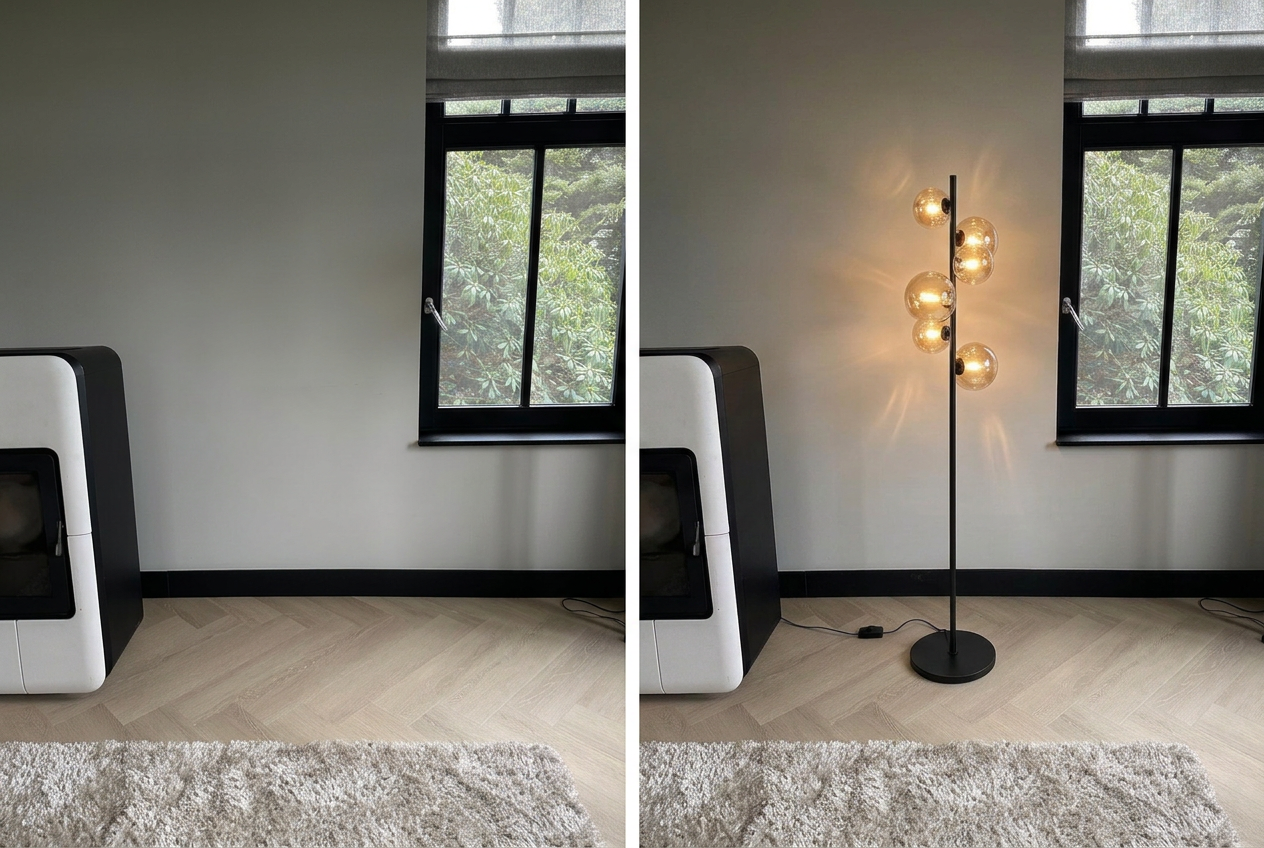
The lamp appears at true scale with matching light and shadow, ready to download or share with a partner.
Real photo, real render
Their room, their product
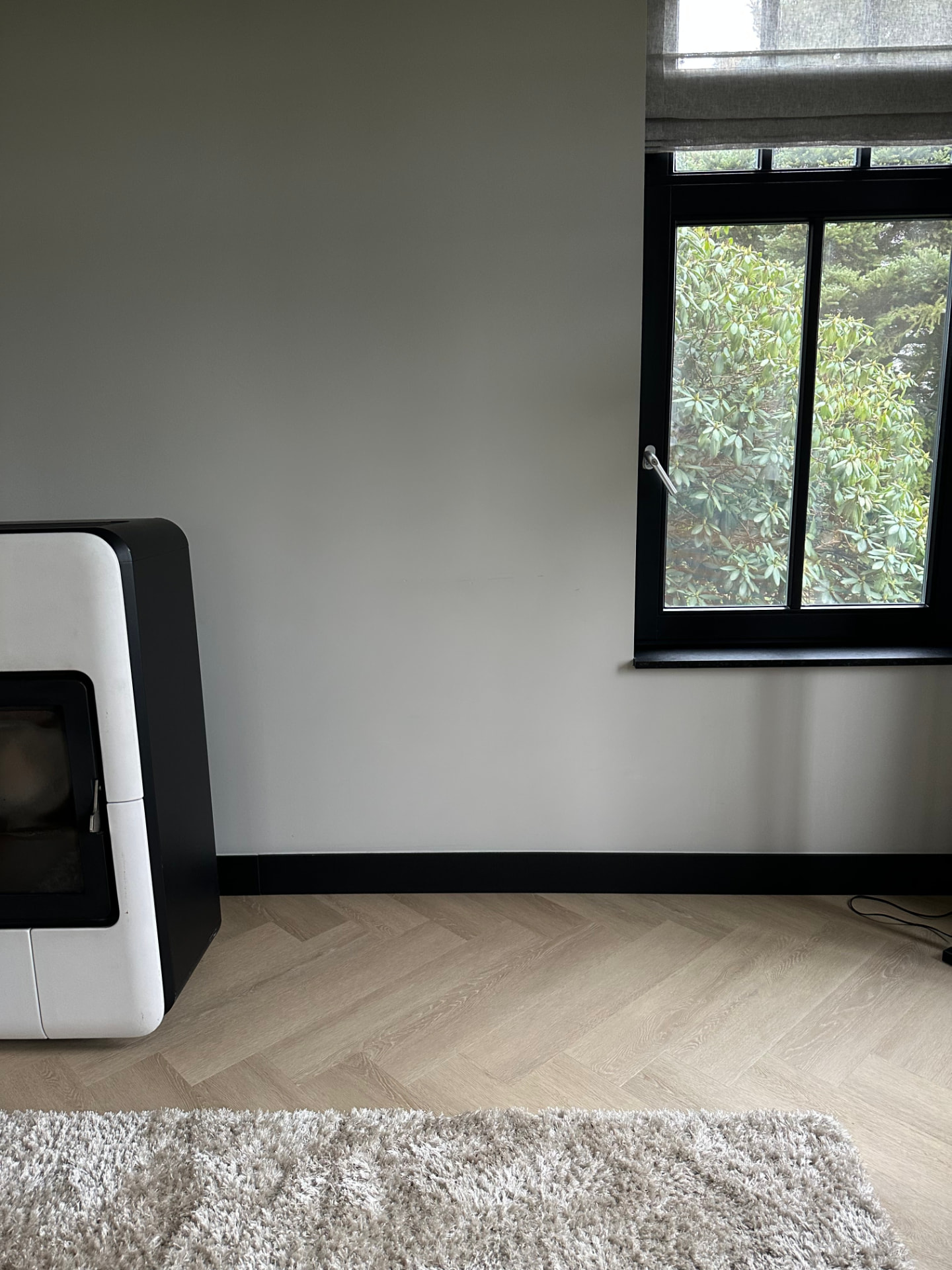
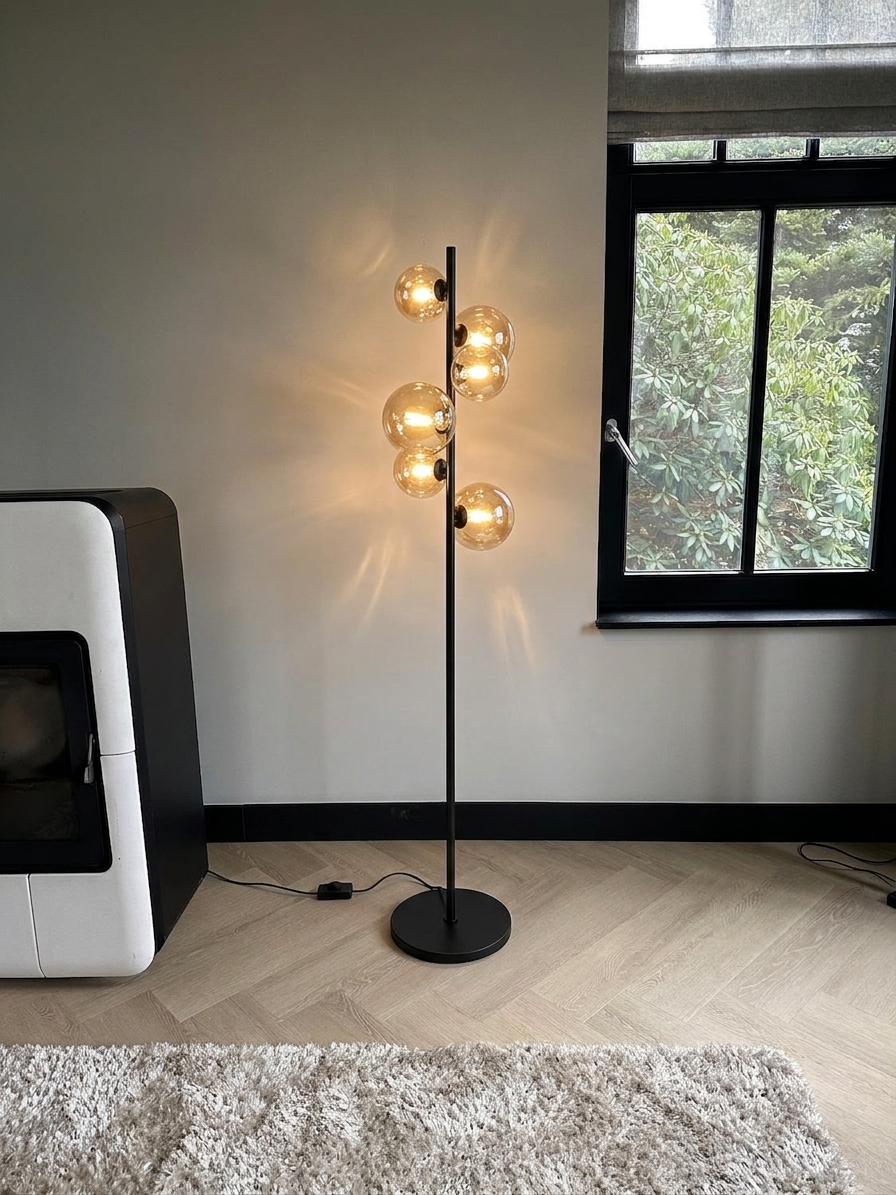
A real customer photo on the left, the Zieny AI render on the right. Same corner, same daylight, with the Art Deco floor lamp placed at true height and casting its own warm glow.
The measurement
Measured on engaged visitors only
To keep the comparison honest, Straluma looked only at genuinely engaged visitors: people who viewed a product page and scrolled at least 25%.
Over this period Zieny AI accounts for roughly 39 extra orders that the baseline behaviour would not have produced.
- Conversion without Zieny
- 1.91%
- Conversion with Zieny
- 3.12%
- Relative uplift
- +63%
- Visitors in the Zieny group
- 3,242
- Expected orders at the baseline rate
- 62
- Actual orders
- 101
The outcome
What changed
- Engaged shoppers who visualised converted at 3.12% versus 1.91% without Zieny, an uplift of more than 63%.
- The Zieny group of 3,242 visitors produced 101 orders where baseline behaviour predicted 62: around 39 extra orders.
- Shoppers stay on the product page through the whole decision instead of leaving to measure and imagine at home.
- The flow runs inside the existing product page, so no redesign or developer sprint was needed to launch it.
"Customers no longer have to guess how a lamp will look at home. They see it in their own room and then they order."
Ecommerce team
Straluma
More client stories
Garden furniture
Tuinmeubelshop.nl
Tuinmeubelshop.nl runs 16 XXL showrooms in the Netherlands and still added Zieny AI to its product pages. In the last three months shoppers clicked the AI button 21,505 times and generated 15,097 renders of high-value garden sets in their own garden.
Home furnishings
Home67
Home67 turns Zieny AI renders into social content for a younger audience. The visualiser brings new visitors to the store without paid ads, and shopper demand pushed usage more than 20% past the plan, so Home67 upgraded on purpose.